

7 Email Nurture Sequence Examples That Book Leads
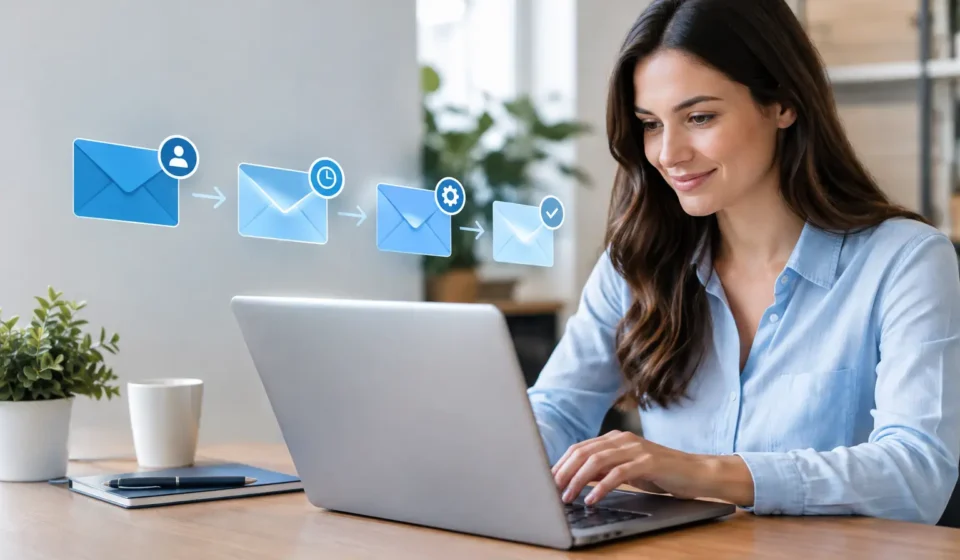
A new lead is most interested in the first few minutes after they reach out. Yet many local businesses send one automated confirmation, then rely on memory, sticky notes, or a rushed follow-up call days later. These email nurture sequence examples show how to stay present, build confidence, and guide a prospect toward the next right step without sounding pushy.
For appointment-driven and relationship-based businesses, email nurture is not about sending more messages for the sake of it. It is about giving each inquiry a clear path from curiosity to conversation, booking, or purchase. The best sequences answer the questions people are already asking: Can I trust you? Is this right for my situation? What happens next?
What makes a nurture sequence work?
A useful nurture sequence has one job at each stage. The first email confirms that the lead made the right move. The next messages reduce uncertainty, show proof, and make it easy to act. Trying to explain every service, promotion, and company detail in one email usually weakens the message.
Timing matters, but relevance matters more. A person who requests a consultation should receive different emails than someone who downloads a checklist or joins a waitlist. Segmenting leads by service interest, location, or how they first contacted you helps your follow-up feel personal while remaining automated.
For most local businesses, three to five emails over seven to 14 days is a practical starting point. Higher-consideration services, such as financial planning or wellness care plans, may need a longer sequence. Emergency services and simple booking offers may need fewer emails and faster reminders.
7 email nurture sequence examples for local businesses
1. The new inquiry follow-up
This sequence is for someone who submits a contact form, requests a quote, or asks for more information. Send the first email immediately. Thank them, confirm what they requested, and set expectations for the response time.
A plumbing company might write: “Thanks for reaching out about your repair. Our team will review your request and contact you within one business hour. If the issue is urgent, call us now.” That message is short, but it removes a major source of friction: wondering whether the form actually went through.
The second email, sent the next day if no appointment is booked, can explain what the consultation or estimate includes. The third can feature a brief customer result and a direct booking option. Keep the call to action simple: choose a time, reply with a question, or call the office.
2. The consultation booking sequence
Some leads want help but are not ready to choose a time. This is common for financial advisors, coaches, wellness providers, and professional practices. Rather than sending repeated “just checking in” emails, use the sequence to lower the commitment barrier.
The first message should position the consultation as a useful conversation, not a sales trap. Explain what the prospect can expect, how long it takes, and whether there is any preparation required. The next email can answer common concerns, such as “Do I need to bring records?” or “What if I am not sure which service I need?”
A final email can create appropriate urgency without pressure: “We reserve a limited number of new client appointments each week. If you would like help this month, select a time that works for you.” This works best when your scheduling tool shows real availability and sends an instant confirmation after booking.
3. The educational lead magnet sequence
A guide, checklist, or local resource can attract prospects before they are ready to talk. The mistake is delivering the resource and then immediately sending a hard sales offer. Instead, use the resource as the first step in a useful conversation.
For example, an acupuncture practice might offer a guide about preparing for a first visit. Email one delivers the guide. Email two explains one common concern addressed in the guide, such as what a first appointment feels like. Email three shares a patient-focused explanation of how the practice builds personalized treatment plans.
The final message invites the reader to schedule when they are ready. Because the emails provide context before the offer, the appointment request feels like a natural next step. This sequence is particularly effective when the resource addresses a specific concern rather than a broad topic.
4. The estimate or proposal follow-up
A proposal can go quiet for many reasons. The prospect may be comparing options, waiting for approval, or simply busy. A thoughtful follow-up sequence keeps the conversation moving without turning into a string of awkward reminders.
Send the first email shortly after the estimate with a clean recap of the scope, timeline, and next action. Two or three days later, send a message focused on one decision factor that matters to the buyer, such as warranty coverage, the process, financing, or project scheduling.
Your next message can include a short example of a similar project or client outcome. The final email should make it easy to respond honestly: “Are you ready to move forward, do you have questions, or should we reconnect later?” Giving people an easy way to choose reduces ghosting and helps your team prioritize active opportunities.
5. The missed appointment recovery sequence
No-shows cost more than a single time slot. They create gaps in the schedule and often represent a lead who still needs help but got distracted. A recovery sequence should be helpful, not scolding.
Send the first email within an hour of the missed appointment. Let the person know you understand schedules change and include a rescheduling button. The second email, sent one or two days later, can remind them why they originally reached out and offer a few available times.
For higher-value appointments, combine email with an SMS reminder or a quick personal call. The trade-off is that more direct outreach takes staff time, so reserve it for qualified leads, existing clients, or services with meaningful lifetime value.
6. The new customer onboarding sequence
Nurture does not stop when a lead becomes a customer. A clear onboarding sequence reduces cancellations, missed appointments, and unnecessary support requests. It also creates a better first impression of how organized your business is.
The welcome email should confirm the purchase or booking and explain what happens next. Follow with a preparation email, a reminder email, and a check-in after service. A tax professional, for instance, could send a secure document checklist before the first meeting, followed by a reminder of the appointment time and office instructions.
After the service, ask one focused question: “Was there anything that would have made this process easier?” That response can reveal operational issues while showing customers that their experience matters.
7. The reactivation sequence
Past leads and former customers are often the most overlooked audience in a CRM. They already know your name, but they may not know about a new service, seasonal need, or reason to return.
A reactivation email should not pretend the relationship is brand new. Acknowledge the gap naturally: “It has been a while since we last connected.” Then give a relevant reason to engage now. A wellness practice could mention seasonal stress support. A home service business could offer annual maintenance scheduling before a busy season.
Use two or three messages, not a long campaign. If someone does not engage, reduce the sending frequency rather than continuing to push. Clean lists and respectful communication protect deliverability and your reputation.
Build the sequence around your actual sales process
Before writing emails, map the steps that happen between a new inquiry and a booked or completed service. Identify where leads typically stall. Is it after they request pricing? After they receive a booking link? After an initial consultation? Your nurture sequence should solve that specific gap.
Each email should include one primary action. If you want a lead to book, do not also ask them to follow five social accounts, read three articles, and fill out another form. Clear actions produce cleaner reporting, too. You can see which messages create bookings, replies, or quote approvals instead of guessing what is working.
Automation makes consistent follow-up possible, but it should not erase the human side of your business. Use the lead’s name, reference the service they asked about, and make it easy to reply to a real person. A connected website, CRM, scheduling system, and email workflow gives your team the visibility to step in at the right moment.
The goal is not to make every lead move faster. It is to make the next step easier for the people who are ready, while keeping your business helpful and memorable for those who need more time.