


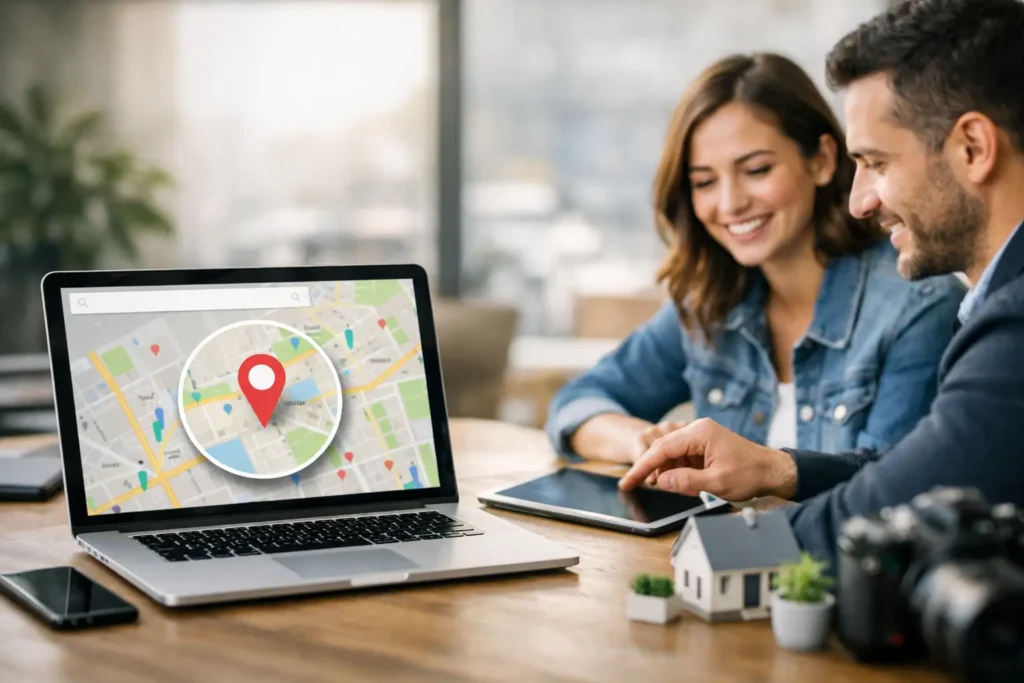
If your business depends on calls, appointments, or local foot traffic, showing up in search is not a nice extra. It is often the difference between a full week and a slow one. That is why local SEO services for small businesses matter so much – they help your business appear when nearby customers are actively looking for what you offer.
For a small law office, acupuncture clinic, roofing company, or accounting firm, local search is where buying intent lives. People are not browsing for entertainment. They are searching for a provider they can trust, close to home, and available soon. When your business is buried below competitors, has inconsistent listings, or sends people to an outdated site, you lose leads before the first conversation even starts.
What local SEO services for small businesses actually include
A lot of business owners hear “SEO” and assume it means blog posts, technical audits, and a long wait for results. Local SEO is more focused than that. It is built around helping your business appear in the map results, location-based searches, and nearby service queries that lead to calls and bookings.
That usually starts with your Google Business Profile. If it is incomplete, inaccurate, poorly categorized, or missing fresh activity, your visibility suffers. A strong local SEO service will optimize that profile, align it with your business information across the web, and improve the signals that tell Google your company is active, relevant, and trustworthy.
It also includes work on your website. That does not always mean a full rebuild, but it often means improving location pages, service pages, titles, headings, mobile performance, and conversion paths. Ranking matters, but ranking without calls or form fills is not much of a win.
Citations, reviews, local content, on-page optimization, and basic technical cleanup all play a role. The exact mix depends on the business. A single-location chiropractor has different needs than a multi-city contractor, and both are different from a financial advisor who serves clients by appointment. Good local SEO is never one-size-fits-all.
Why small businesses struggle with local visibility
Most small businesses are not failing because they offer poor service. They are losing ground because their digital setup is disconnected. The website may look acceptable but load slowly. The business profile may have the wrong hours. Reviews may exist, but no one is actively generating new ones. Leads may come in, but follow-up is inconsistent.
That fragmentation is expensive. A prospect finds you in search, clicks through to your site, sees a weak first impression, and leaves. Or they call after hours and never hear back. In local markets, those small gaps add up quickly because the next option is only one search result away.
This is where many business owners get stuck. They do not need another isolated tactic. They need a system. Local SEO works best when it connects visibility with conversion and follow-up. If your business gets found but does not have a clean website, online scheduling, lead capture, and a reliable response process, you are only solving half the problem.
The real goal is not traffic
Traffic sounds good in reports, but most owners care about booked appointments, qualified calls, and steady lead flow. The best local SEO services keep that goal front and center.
That changes how the work gets prioritized. Instead of chasing vanity metrics, the focus shifts to the pages and search terms most likely to produce revenue. A med spa may need stronger visibility for high-value treatments in specific cities. A tax professional may need seasonal local landing pages. A home service company may need service-area coverage that matches how customers actually search.
There is also a timing factor. Some improvements can move quickly, such as profile optimization, review generation, and fixing website issues that block conversions. Other gains take longer, especially in competitive markets. If anyone promises first-place rankings overnight, that is usually a warning sign, not a benefit.
What to expect from a good provider
A strong provider should make local SEO easier to understand, not harder. You should be able to see what is being worked on, why it matters, and how it connects to real business outcomes.
That means clear reporting, but not pages of meaningless jargon. You want to know whether your visibility is improving, which searches are driving leads, how your profile is performing, and where prospects are dropping off. The right partner will also look beyond rankings and ask practical questions about response time, booking flow, and sales follow-up.
This is especially important for appointment-driven businesses. If your local SEO generates more inquiries but your team misses calls or takes two days to reply, growth stalls. That is why a coordinated approach matters. Website performance, lead capture, CRM setup, automation, and online scheduling all support the return you get from SEO.
For many small businesses, that integrated model is more efficient than hiring one company for web design, another for SEO, and a third for CRM or automation. It reduces handoff problems and helps every part of the customer journey work together.
How local SEO services support different types of businesses
Local SEO is not just for restaurants and retail stores. It is especially valuable for service businesses and professional practices that rely on trust and local discovery.
For wellness providers, visibility often depends on appearing for condition-based and service-based searches in the right city. For financial professionals, credibility signals matter more, so review strategy, site authority, and a polished web presence carry extra weight. For contractors and home service companies, service area targeting and fast mobile performance are often critical because many searches happen from a phone when the need is immediate.
That is why strategy has to reflect the business model. Some companies need stronger map visibility. Others need location pages for multiple markets. Others need better lead handling more than they need higher rankings. The right solution depends on where the bottleneck is.
Local SEO services for small businesses should include conversion thinking
This is the part that gets overlooked. Plenty of agencies can improve rankings. Fewer think carefully about what happens after the click.
If a visitor lands on your website, can they quickly understand what you do, where you serve, and how to contact you? Can they book an appointment without friction? Does the site feel current and credible? Are forms connected to a CRM so no lead gets lost? Are follow-up emails or text messages helping move prospects toward a decision?
These questions matter because SEO is not just about being seen. It is about creating momentum after someone finds you. A business with moderate traffic and strong conversion systems can outperform a business with higher traffic and weak follow-up.
That practical mindset is where an all-in-one partner can create real value. When local search strategy is connected to the website, scheduling, automation, and lead management, you stop treating marketing and operations like separate problems. Local Build Digital is built around that kind of connected growth system, which is often what small businesses need most.
How to tell if your current local SEO is underperforming
You do not need a complex audit to spot common issues. If your competitors show up in the map pack and you do not, that is one sign. If your business information is inconsistent across platforms, that is another. If people visit your site but do not call, book, or submit a form, your visibility may not be the only issue.
You should also pay attention to review activity, mobile usability, page speed, and whether your service pages clearly match what people search for. In many cases, the biggest gains come from fixing the basics well rather than adding more complexity.
A practical provider will help you identify the shortest path to improvement. Sometimes that means cleaning up listings and optimizing your profile. Sometimes it means rebuilding weak pages and adding stronger calls to action. Sometimes it means putting simple automation in place so leads get responses faster. Good strategy starts with honest diagnosis.
What business owners should prioritize first
If you are evaluating local SEO services for small businesses, start with the areas that directly affect visibility and lead conversion. Make sure your Google Business Profile is complete and accurate. Make sure your website clearly presents your services, service area, and next step. Make sure leads are actually being captured and followed up.
After that, build consistency. Local SEO rewards businesses that send clear signals over time. That includes updated content, fresh reviews, accurate citations, and a site that supports trust. It is not flashy work, but it is the kind that compounds.
The businesses that win locally are usually not doing one magical thing. They are doing the fundamentals better, with fewer gaps between discovery, contact, and conversion.
If your business is ready to grow, local SEO should not feel like another confusing marketing project on your plate. It should feel like a practical system that helps more of the right people find you, trust you, and take the next step.